


HDPE Sheet Thickness for Water Storage & Wastewater Ponds
7 August 2026
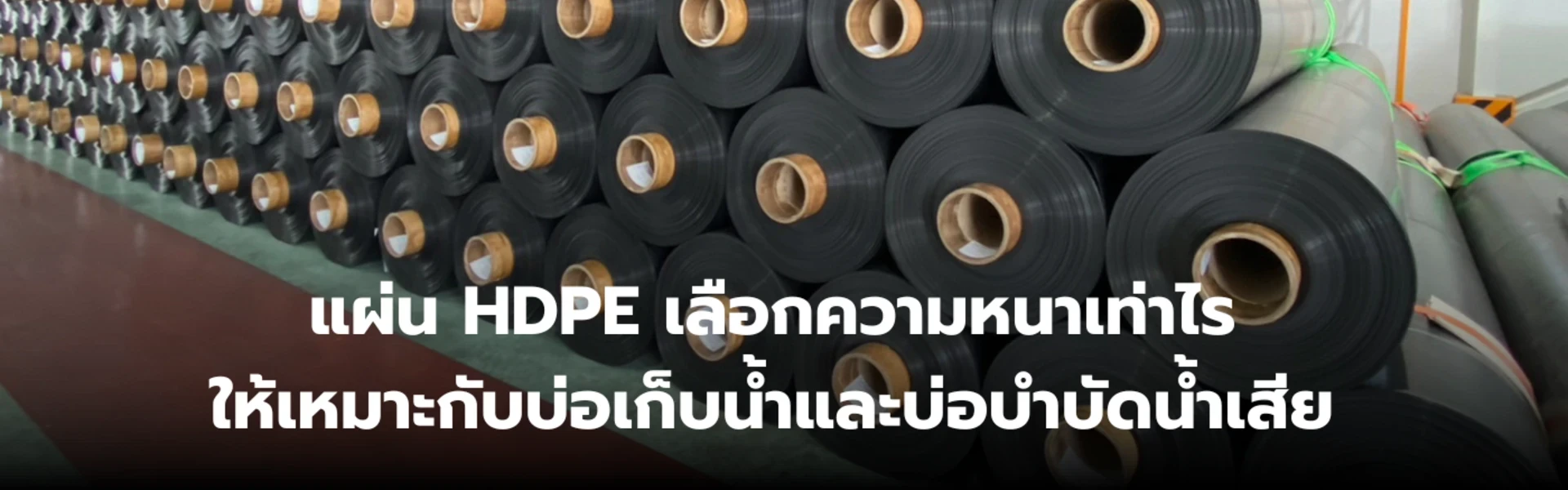
HDPE Geomembrane is a material widely used to line floors and ponds to control leakage of water or liquids into the soil. It suits farm water storage ponds, reservoirs, wastewater treatment ponds, biogas ponds and industrial work that needs efficient liquid containment.
HDPE sheet comes in many thicknesses, from about 0.30 to 2.00 mm or more, but that doesn't mean every pond should use the thickest sheet. The right specification depends on pond size and depth, the type of liquid, ground conditions, sun exposure, risk from equipment and project standards.
If the sheet is too thin, it can easily be damaged by puncture, abrasion or forces during installation. If it is thicker than necessary, material, transport and installation costs may rise without delivering proportionate value.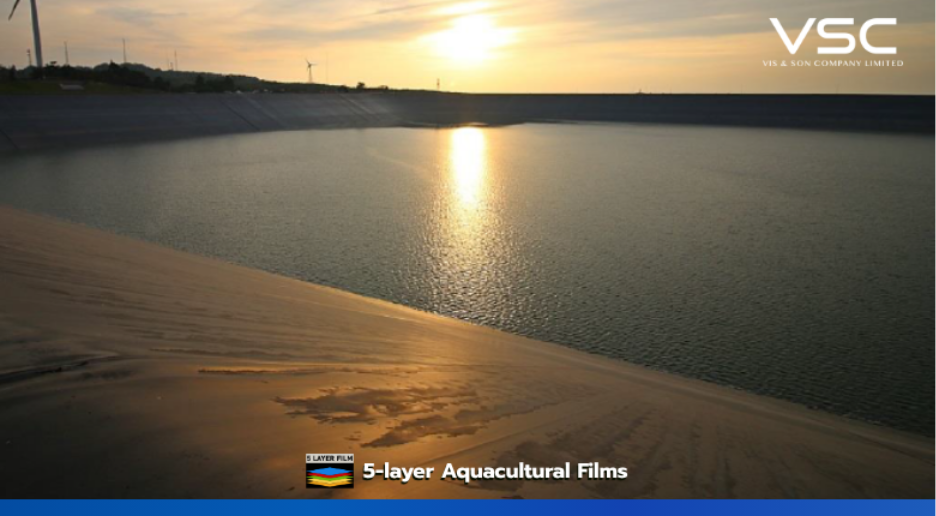
How is HDPE sheet thickness measured?
HDPE geomembrane thickness is usually stated in millimetres, though some standards use microns, where 1 micron equals 0.001 mm.
Common thicknesses include:
0.30 mm = about 300 microns
0.50 mm = about 500 microns
0.75 mm = about 750 microns
1.00 mm = about 1000 microns
1.50 mm = about 1500 microns
2.00 mm = about 2000 microns
VSC HDPE geomembrane is available in 0.30, 0.50, 0.75, 1.00, 1.25, 1.50, 1.80 and up to 2.00 mm, for water storage ponds, aquaculture, wastewater treatment ponds, biogas ponds, mining, landfills and many types of infrastructure.
Is thicker HDPE sheet always better?
Generally, as HDPE sheet gets thicker, its tear and puncture resistance increase too. For example, VSC product data shows that 0.50 mm sheet has a puncture resistance of 200 N, while 1.00, 1.50 and 2.00 mm sheets rise to 430, 590 and 670 N respectively, per GRI-GM13.
However, thickness is not the only factor in how long the sheet lasts. Even thick sheet can leak if the pond floor has sharp stones, the welds are substandard, or machinery moves over the sheet without a protective layer.
So choose thickness together with these key factors:
- Type and concentration of the liquid
- Pond size and depth
- Required service life
- Smoothness and strength of the pond floor
- Groundwater level
- Slope of the pond walls
- Machinery used on site
- Gas and water venting under the sheet
- Leak detection system
- Weld quality and seam testing
HDPE sheet thickness guide table
The table below is a starting guide, not a fixed rule for every project. Before ordering, have the manufacturer, installer or an engineer assess the site.
| HDPE sheet thickness | Typical application | Considerations |
|---|---|---|
| 0.50 mm | Small ponds, low-risk work, or very smoothly prepared ground | Higher risk of damage during handling and installation than thicker sheets |
| 0.75 mm | Small to medium clean water storage ponds | Lay on a smooth floor with no machinery touching the sheet directly |
| 1.00 mm | General water storage ponds, farm ponds and ponds in continuous use | More suited to permanent work, but still needs a protective layer on rough ground |
| 1.25 mm | Medium to large water storage ponds, or areas with higher mechanical risk | Design welds and edge anchor trenches properly |
| 1.50 mm | Large water storage ponds and general wastewater treatment ponds | A common thickness for waste containment and long-term projects |
| 1.80–2.00 mm | Industrial wastewater, heavy-duty work, or areas at high risk of puncture and abrasion | Requires an installation team and welders suited to thick material |
How to choose HDPE thickness for water storage ponds
Water storage ponds usually carry lower chemical risk than wastewater ponds, but they still have to withstand water pressure, changing water levels, ground movement and outdoor weather.
Small water storage ponds
For small, shallow ponds on firm ground that can be finely levelled, you could start with HDPE sheet of about 0.50–0.75 mm.
Sheets of this thickness are lighter and easier to handle, but floor preparation is especially important: there must be no sharp stones, roots, metal scraps or anything that could puncture the sheet.
For permanent ponds that hold water all year, choosing 0.75 mm or more usually reduces risk during installation and use more than choosing the thinnest sheet.
Medium water storage ponds
For farm ponds or medium water storage ponds in continuous use, start with sheet of about 1.00–1.25 mm, especially when the pond is deeper or the ground may subside.
This thickness is stronger than 0.50–0.75 mm and better withstands damage from dragging, unrolling, welding and technicians working in the pond.
However, if the floor is stony or cannot be fully levelled, use geotextile as an underlay. Don't solve the problem by increasing sheet thickness alone.
Large water storage ponds
For large or deep water storage ponds, or ponds critical to production, start with HDPE sheet of about 1.50 mm, and consider 1.80–2.00 mm if there are risks from ground conditions, equipment or machinery.
These ponds should be designed considering water pressure, slopes, settlement, under-liner drainage and edge anchoring. Don't choose thickness by area or water volume alone.
The US Department of Agriculture's NRCS Code 521 sets a minimum HDPE thickness of 30 mil, or about 0.75 mm, for clean water ponds, but calls for greater thickness or additional protection where there is a risk of mechanical damage. This is an overseas reference standard, not a substitute for project-specific design in Thailand.
How to choose HDPE thickness for wastewater treatment ponds
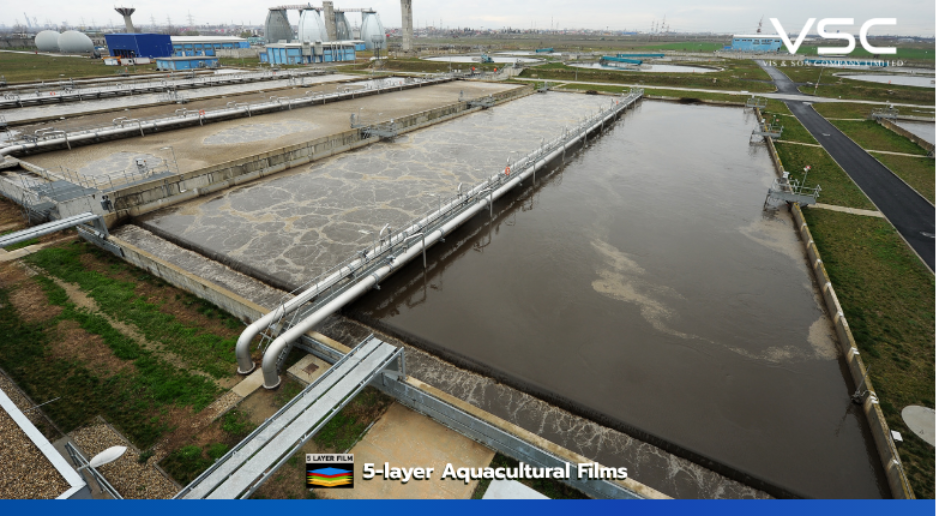
Wastewater treatment ponds are more complex than water storage ponds, as the sheet contacts liquids that may contain organic matter, chemicals, acids, alkalis, oils or suspended solids, and gas may build up under the sheet.
So don't choose HDPE sheet for wastewater ponds by thickness alone. Check the material's chemical compatibility with the wastewater, the liquid temperature and other supporting systems.
General wastewater treatment ponds
For wastewater ponds from communities, farms or processes without harsh chemicals, start with HDPE sheet of about 1.50 mm for better puncture resistance and protection against damage in use.
NRCS Code 521 sets a minimum HDPE thickness of 60 mil, or about 1.50 mm, for wastewater containment, higher than for clean water, because wastewater leakage poses a greater risk to soil and groundwater.
This figure can serve as an initial reference, but real projects must also consider regulations, the owner's requirements and engineering design results.
Industrial wastewater treatment ponds
If the wastewater contains chemicals, high concentrations or high temperatures, or equipment operates in the pond, you may need 1.50–2.00 mm sheet, and should check whether HDPE can withstand long-term contact with that liquid.
Greater thickness increases mechanical strength but does not automatically make the sheet resistant to every chemical. Provide the manufacturer or designer with the following before choosing a specification:
- Types of chemicals in the wastewater
- pH (acidity and alkalinity)
- Chemical concentration
- Maximum liquid temperature
- Duration of contact with the sheet
- Solids or particles that could abrade the sheet
- Pond cleaning and maintenance methods
High leak-risk ponds
For work where leaks could severely harm the environment, don't rely on a single-layer sheet's thickness alone. Consider double-liner systems, drainage layers, leak detection systems or low-permeability soil layers as well.
NRCS states that some waste storage ponds may require leak detection, and that under-liner drainage and groundwater pressure must be assessed to prevent the sheet from floating or ballooning.
Thickness comparison: water storage ponds vs wastewater treatment ponds
| Topic | Water storage pond | Wastewater treatment pond |
|---|---|---|
| Typical starting thickness | About 0.75–1.00 mm | About 1.50 mm |
| Large or high-risk work | 1.50–2.00 mm | 1.50–2.00 mm or multi-layer systems |
| Chemical risk | Fairly low | Check chemical type and concentration |
| Leak detection | Depends on how critical the pond is | More often required |
| Gas venting | Depends on soil conditions | Needs special consideration |
| Pond floor protection | Geotextile where there are stones or rough ground | High priority; design a geotextile system to protect against long-term risk |
| Weld testing | Test every weld line | Have clear quality control and test records |
8 key factors before choosing HDPE sheet thickness
1. Type of liquid in the pond
Clean water, farm water, community wastewater and industrial wastewater carry different risks. For wastewater, study its composition and temperature before buying HDPE sheet.
2. Pond size and depth
Large and deep ponds have more weld length and greater risk of ground movement and installation damage, so they usually need thicker material and stricter quality control.
3. Ground conditions
Even 2.00 mm sheet can leak if laid on sharp stones or unevenly settling ground.
The pond floor must be firm, smooth and free of sharp objects. If it cannot be prepared sufficiently, use geotextile or a soil cushion layer to protect the sheet. NRCS guidance calls for a cushion layer between the sheet and angular stones or materials that could damage it.
4. Groundwater level
Groundwater near the pond bottom can push up on the underside of the sheet, especially when the pond is empty or the water level drops quickly, causing the sheet to bulge, float or shift.
Areas with high groundwater may need an under-liner drainage system. Don't solve it by increasing thickness alone.
5. Gas build-up under the sheet
Soil with organic matter, or areas where wastewater has previously seeped into the ground, can produce gas under the sheet and make it balloon. Wastewater ponds should therefore include a gas venting system from the design stage, in other words an air drain system under the HDPE sheet.
6. Risk from machinery and maintenance
If vehicles, pumps, mixers or cleaning tools come into contact with the pond, increase thickness and add protection such as geotextile, pads or concrete ramps at working points.
Never drive vehicles or machinery directly on HDPE sheet, even thick sheet.
7. Sunlight and exposed surfaces
HDPE sheet installed outdoors should resist UV and oxidative degradation. VSC states that its products are made from virgin HDPE resin and designed to resist chemicals, UV, ozone, oxidation and long-term stress cracking.
8. Installation and weld quality
Each roll of HDPE sheet must be joined with a hot-wedge welder. If a weld line is incomplete, even thick sheet can leak.
Installation should set welding temperature and speed to suit the weather, and test welds and record inspection results before the pond goes into use.
Is geotextile needed under HDPE sheet?
Geotextile is not necessary everywhere, but should be used when the pond floor is at risk of puncture or abrasion, such as:
- Floors with a lot of gravel or stones
- Floors that cannot be compacted smooth
- Concrete debris or old structures under the pond
- Ponds likely to settle unevenly
- HDPE laid on a concrete floor
- Machinery or activities that cause impact
Geotextile acts as a cushion and spreads loads, but it cannot fully replace floor preparation. You still need to remove sharp objects and compact the floor smooth before laying.
Does smooth or textured HDPE relate to thickness?
Choosing a smooth or textured surface is separate from choosing thickness. Smooth sheet suits pond floors or areas where you want less sediment build-up and easier cleaning, while textured sheet increases friction on slopes, reducing the risk of slippage between the sheet and the soil or other materials.
For ponds with sloping walls, increasing thickness alone doesn't solve slippage, so have an engineer assess the slope, friction and edge anchoring together.
Common mistakes when choosing HDPE sheet
- Choosing thickness based only on price per square metre
- Using thin sheet for large ponds or wastewater ponds
- Not stating the chemical types and wastewater temperature
- Assuming thick sheet can be laid directly on rough ground
- Not checking the groundwater level before digging the pond
- No gas venting system for wastewater ponds
- Letting machinery move on the sheet without protection
- Reducing thickness to save budget, then paying for repairs and water loss later
- Using installers without weld testing equipment
- Choosing material without clear property data and test results
Summary: what thickness of HDPE sheet should you choose?
As a starting guide for HDPE sheet thickness:
- 0.50–0.75 mm For small ponds, low-risk work and well-prepared ground
- 1.00–1.25 mm For medium water storage ponds and continuous use
- 1.50 mm For large water storage ponds, wastewater treatment ponds and long-term work
- 1.80–2.00 mm For industrial wastewater, heavy-duty work or areas at high risk of mechanical damage
These figures are only a starting point and cannot fully replace a site assessment. For wastewater treatment ponds and industrial work in particular, consider the liquid's properties, gas venting, groundwater level, underlay and leak detection as well.
Choose the right HDPE geomembrane for your project with VSC
VSC manufactures and sells HDPE geomembrane from 0.50 to 2.00 mm thick for water storage ponds, aquaculture ponds, wastewater treatment ponds, biogas ponds, landfills, mining and infrastructure.
Products come with data on thickness, density, tensile strength, tear resistance, puncture resistance and oxidation resistance, with certification to GRI-GM13. Consult the VSC team to choose the thickness, roll size, accessories and installation system that suit your site and the type of liquid in your project.
Share this post


 02 316 3384